Published 1 June 2026
How to Keep Your West London Garden Free from Pests Naturally
A thriving garden in West London is a reflection of care, balance, and respect for the local ecosystem.
However, pests such as aphids, slugs, rodents, ants, and caterpillars can quickly undermine even the most carefully maintained outdoor space.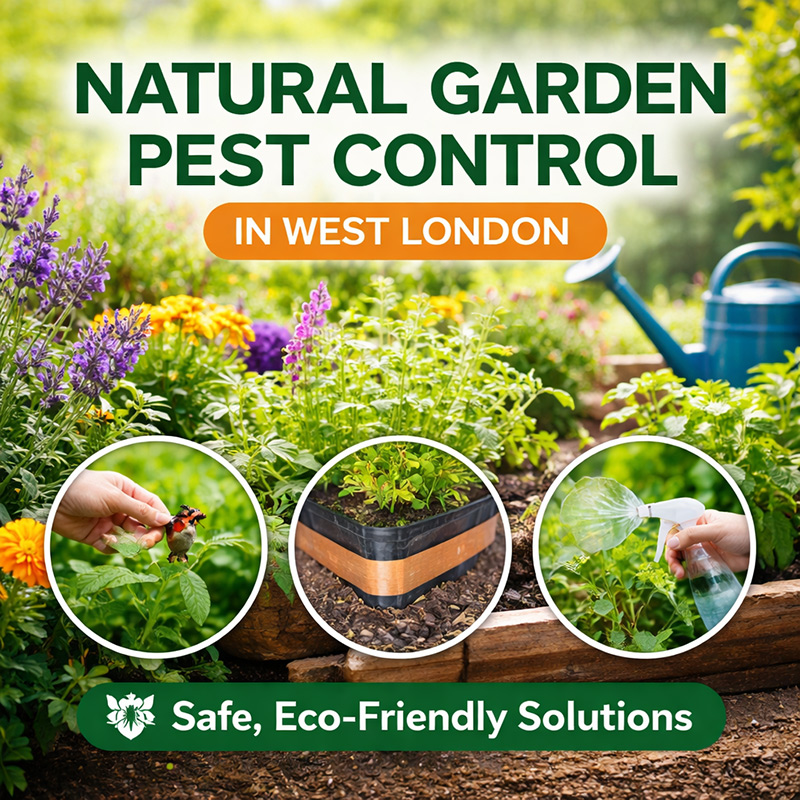
As professionals committed to sustainable outcomes, we focus on natural, effective, and environmentally responsible methods that protect plants while preserving biodiversity.
At On Time Pest Control, we advocate solutions that work with nature rather than against it.
Understanding the Common Garden Pests in West London
West London’s mild climate, urban greenery, and seasonal moisture create ideal conditions for a wide range of garden pests.
Aphids feed on tender plant shoots, slugs and snails damage leaves overnight, ants disrupt soil structure, while rats and mice seek shelter near compost and sheds.
Recognising these pests early is critical. Natural pest management begins with awareness, not chemicals.
Why Natural Pest Control Matters in Urban Gardens
Chemical pesticides disrupt beneficial insects, contaminate soil, and pose risks to pets and children. In contrast, natural pest control supports long-term garden health, encourages pollinators, and maintains soil vitality.
In densely populated areas like West London, eco-friendly garden pest control is not optional, it is essential.
Soil Health as the First Line of Defence
Healthy soil produces resilient plants.
We prioritise organic compost, well-draining soil, and proper aeration to reduce pest attraction. Poor soil conditions weaken plants, making them more vulnerable to infestations.
Regularly enriching soil with natural compost, leaf mould, and organic matter strengthens root systems and improves plant immunity.
Companion Planting to Deter Garden Pests Naturally
Strategic planting is one of the most powerful natural pest control tools available.
. Marigolds repel aphids and nematodes
. Lavender deters moths, fleas, and flies
. Mint discourages ants and rodents
. Rosemary and thyme repel beetles and caterpillars
By integrating companion planting techniques, we create a self-regulating garden ecosystem that naturally limits pest populations.
Encouraging Beneficial Insects in Your Garden
Not all insects are harmful. In fact, beneficial insects are your greatest allies.
. Ladybirds consume aphids in large numbers
. Lacewings target mites and whiteflies
. Ground beetles prey on slugs and larvae
We recommend planting pollinator-friendly flowers such as yarrow, cosmos, and calendula to attract these natural predators and maintain ecological balance.
Natural Barriers and Physical Pest Prevention
Physical deterrents are highly effective when applied correctly:
. Copper tape prevents slugs and snails
. Netting and fleece protect crops from birds and insects
. Raised beds reduce soil-borne pest access
. Gravel and sharp grit discourage crawling pests
These non-toxic pest barriers provide immediate protection without harming the surrounding environment.
Homemade Organic Pest Repellents That Work
We advocate proven, plant-safe natural repellents:
. Neem oil spray disrupts insect feeding cycles
. Garlic and chilli solutions repel aphids and caterpillars
. Soap-based sprays eliminate soft-bodied insects
Applied consistently, these solutions control infestations without chemical residues and are safe for edible gardens.
Water Management to Prevent Pest Breeding
Standing water invites mosquitoes and fungal growth. Proper drainage, controlled watering schedules, and clean water features are essential. Overwatering encourages slugs, gnats, and root disease. Precision irrigation supports plant health while limiting pest habitats.
Rodent Prevention Through Garden Hygiene
Rodents are attracted to food sources and shelter.
We recommend:
. Securing compost bins
. Removing fallen fruit promptly
. Keeping sheds sealed and clutter-free
. Avoiding uncovered bird feed
Rodent prevention begins with sanitation, not traps or poisons.
Seasonal Garden Maintenance for Pest Control
Each season requires a tailored approach:
. Spring: Inspect soil, introduce beneficial insects
. Summer: Monitor foliage, apply natural repellents
. Autumn: Clear debris, prune plants
. Winter: Protect soil, repair structures
Consistent maintenance ensures year-round pest resistance.
Sustainable Pest Control Expertise in West London
Natural pest control requires knowledge, precision, and experience. At On Time Pest Control, we apply integrated pest management strategies that prioritise prevention, sustainability, and long-term results. Our approach respects both your garden and the wider West London environment.
Creating a Balanced, Pest-Resistant Garden Naturally
A pest-free garden is not achieved through force, it is cultivated through balance, biodiversity, and informed care. By improving soil health, encouraging natural predators, using physical deterrents, and maintaining seasonal discipline, we create gardens that thrive naturally.
Final Thoughts on Natural Garden Pest Control in West London
Natural pest control is not a compromise; it is a superior strategy for urban gardens. With the right techniques, materials, and expertise, we protect plants, people, and the planet simultaneously.
A healthy garden is a resilient garden, and resilience is always natural.