Published 15 April 2026
Why Pest Proofing in West London Is Essential for Protecting Property Value
Pest proofing is no longer an optional upgrade for property owners in West London; it is a strategic investment in long-term asset protection.
In a region defined by premium real estate, dense urban infrastructure, and historic buildings, the presence of pests can erode property value faster than many visible defects.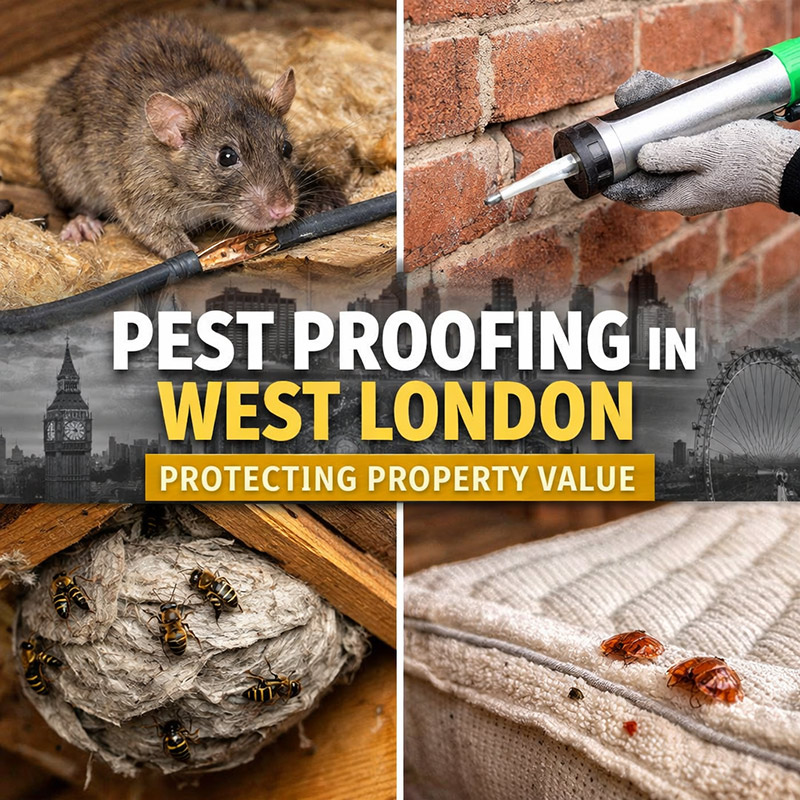
As specialists at On Time Pest Control, we address pest risks with a preventative, evidence-led approach designed to preserve structural integrity, protect rental yields, and maintain market desirability.
Understanding the Property Landscape in West London
West London’s housing stock is a complex blend of heritage townhouses, converted flats, modern developments, and commercial premises.
This diversity increases vulnerability to pests. Older buildings often contain hidden cavities, aging pipework, and legacy materials that attract rodents and insects. Newer properties, while better sealed, are frequently located near construction sites that displace pests into nearby homes.
Pest activity directly impacts valuations during surveys and mortgage assessments. Evidence of rodents, insects, or nesting can trigger retention clauses, reduce offers, or stall transactions entirely.
Pest proofing mitigates these risks by ensuring properties meet the expectations of buyers, lenders, and insurers.
The Hidden Cost of Pest Infestations on Property Value
Uncontrolled pest presence causes incremental yet severe damage that often goes unnoticed until it is costly to repair:
. Structural deterioration from gnawing rodents compromising timber, insulation, and wiring
. Hygiene risks due to droppings, urine, and insect remains
. Fire hazards linked to damaged electrical cabling
. Reputational damage for landlords and property managers
. Regulatory exposure in rental and commercial settings
These factors reduce buyer confidence and weaken negotiation positions. Proactive pest proofing preserves asset value by eliminating threats before they escalate.
Common Pests Threatening Properties in West London
West London properties are frequently affected by:
Rodents (rats and mice)
They exploit drainage systems, basements, and wall voids. Their ability to chew through brickwork joints, plastics, and cables makes them the most destructive pest category.
Insects (cockroaches, ants, moths)
Often linked to moisture and food residues, insects multiply rapidly and are difficult to eradicate without structural exclusion.
Bed bugs
Particularly prevalent in high-density residential buildings, bed bugs can severely impact rental income and tenant retention.
Wasps and birds
Nesting in lofts, eaves, and rooflines, they damage roofing materials and present liability risks.
What Professional Pest Proofing Involves
Pest proofing is a systematic, preventative discipline, not a reactive treatment.
Our approach includes:
Comprehensive property inspection to identify vulnerabilities
Sealing entry points such as air bricks, gaps, drains, and service penetrations
Structural reinforcement using pest-resistant materials
Environmental management to remove attractants like standing water and waste access
Ongoing monitoring to ensure long-term effectiveness
This methodology protects properties without disrupting occupants or compromising aesthetics.
Why Pest Proofing Is Critical for Landlords and Investors
For landlords and investors, pest-proofed properties deliver measurable financial advantages:
Stable rental income through reduced void periods
Lower maintenance costs by preventing damage before it occurs
Compliance with housing standards and local authority requirements
Enhanced tenant satisfaction and retention
In competitive rental markets, pest resilience is a differentiator that protects yield and reduces operational risk.
Commercial Property and Pest Risk Management
Retail, hospitality, healthcare, and office properties face zero tolerance thresholds for pest activity.
Even minimal evidence can result in:
Failed inspections
Operational shutdowns
Brand damage and loss of consumer trust
Pest proofing safeguards business continuity by ensuring premises remain compliant, hygienic, and operational year-round.
Environmental and Urban Factors Unique to West London
West London’s environment presents distinct pest pressures:.
Extensive rail networks and underground infrastructure
High-density waste collection points
Ongoing redevelopment and construction
Mature green spaces adjacent to residential zones
These conditions create ideal migration routes for pests. Localised pest proofing strategies are essential to counter these challenges effectively.
Long-Term Value Preservation Through Preventative Action
Property value is protected not only by aesthetics and location but by what cannot be seen.
Pest proofing delivers:
Improved survey outcomes
Stronger buyer confidence
Reduced insurance complications
Long-term structural protection
By investing in preventative measures, owners avoid emergency interventions that are costlier, more disruptive, and less effective.
Why Professional Expertise Matters
Generic solutions fail to address the complexity of West London properties.
Professional pest proofing combines technical knowledge, regulatory awareness, and local experience to deliver results that last.
We apply tailored strategies aligned with property type, usage, and environmental context.
This precision ensures protection without unnecessary treatments or structural compromise.
Conclusion: Pest Proofing as a Strategic Property Safeguard
In West London’s premium property market, pest proofing is a core component of value preservation.
It protects structural integrity, supports compliance, and enhances long-term marketability. Through preventative action, property owners secure peace of mind and safeguard investments against avoidable depreciation.
Strategic pest proofing is not an expense, it is an asset protection measure that pays dividends over time.